
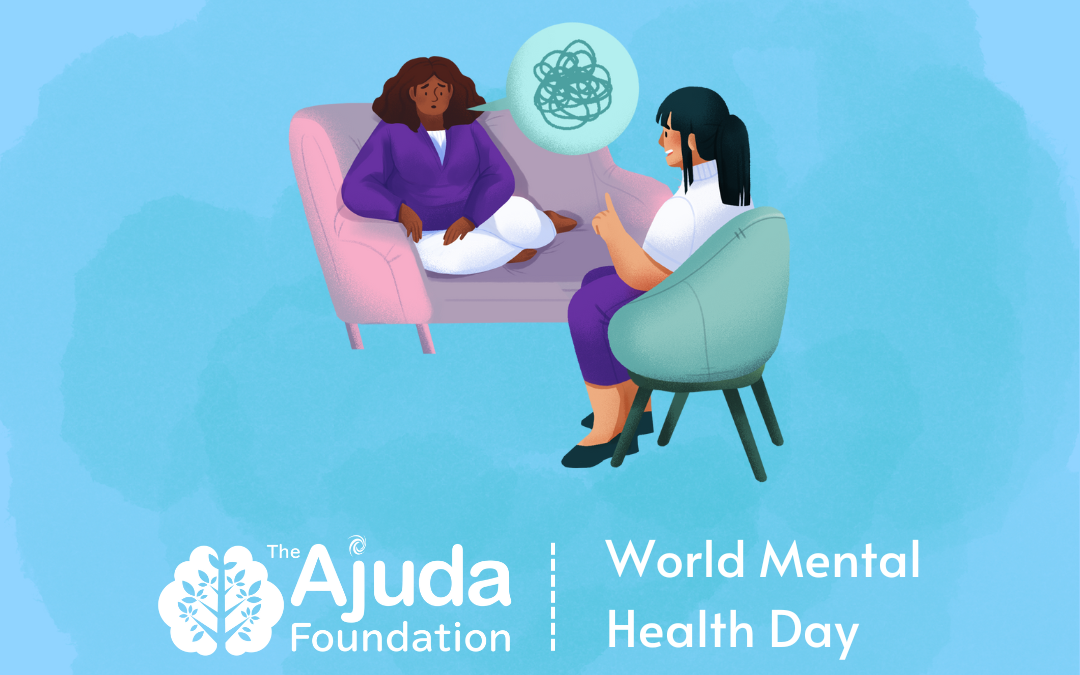
Does a lack of mental health support make surviving and recovering from a disaster even harder?
When floods, conflicts, or sudden crises strike, people naturally focus on food, water, and shelter.
The emotional toll is often forgotten.
Fear, anxiety, and grief can make every decision feel heavier, every night feel longer, even after the immediate crisis is over. Access to mental health services during these times is not optional. It is vital.
In emergencies, people often focus on the visible damage. Homes, roads, belongings. Mental health, the invisible part of survival, is too often left behind. Anxiety, sadness, and fear can grow quietly, shaping decisions, affecting relationships, and slowing recovery.
Access to mental health support in these moments is not just helpful, it is essential. World Mental Health Day 2025 is all about this urgent need, emphasising that support must be reachable for everyone, even during disasters, conflicts, or personal crises.
Mental strain can be as dangerous as physical harm. Without help, fear and anxiety can take hold, leading to long-term effects that outlast the immediate emergency.
Access to mental health services gives people the chance to process what has happened, regain control, and take the first steps toward recovery, this allows families to function, communities to hold together, and individuals to find a sense of stability in chaos.
Access cannot be assumed. Many people, particularly in low and middle income countries, face the greatest barriers. Roads may be blocked, clinics damaged, and trained professionals scarce. Not only that but social stigma can make reaching out even harder.
These are the realities that the world Mental Health Day 2025 seeks to address.
Mental health services must be integrated into emergency response, not left as an afterthought.
They must be visible, reachable, and reliable when people need them most.
Immediate support can take many forms:
Mobile counsellors can reach areas cut off from standard services.
Hotlines can offer guidance when physical access is impossible.
Communities can build informal networks to watch for one another, check in, and provide emotional first aid.
Even small actions, like knowing where to turn or teaching simple ways to manage stress, can make a meaningful difference. Every connection strengthens resilience, both for the individual and the wider community.
Emergencies are not only large-scale disasters.
They can be personal upheaval, illness, or sudden loss.
These crises also require attention and accessible support.
Mental health care must be flexible enough to meet different needs, equitable enough to reach vulnerable populations, and strong enough to withstand the pressures of chaos. When integrated into all aspects of crisis response, it becomes part of the foundation that allows people to cope, recover, and rebuild.
Support must arrive quickly. It must be easy to find. Waiting until the storm passes is too late. Mental health care is not a luxury. It is a right. It is a necessity that ensures survival goes beyond the body and touches the mind.
No one should face a disaster alone, physically or emotionally. When mental health services are reachable, even the most overwhelming crises become survivable. Individuals, communities, and systems grow stronger. Families find balance. People recover faster. Lives can return to something resembling normal.
World Mental Health Day 2025 reminds us that care must be accessible for all, that crises do not pause human need, and that investing in mental health in emergencies is investing in resilience. Support is out there. It can be found.
And most importantly it should be within reach now, when it matters most.
Curious how Ajuda makes a difference?
Head to our website to find out more:
Ajudafoundation.org.uk